The Blog
Field notes for desk-bound athletes
Short, tested, no-nonsense writing on movement, mobility, and mindset for people who code for a living.
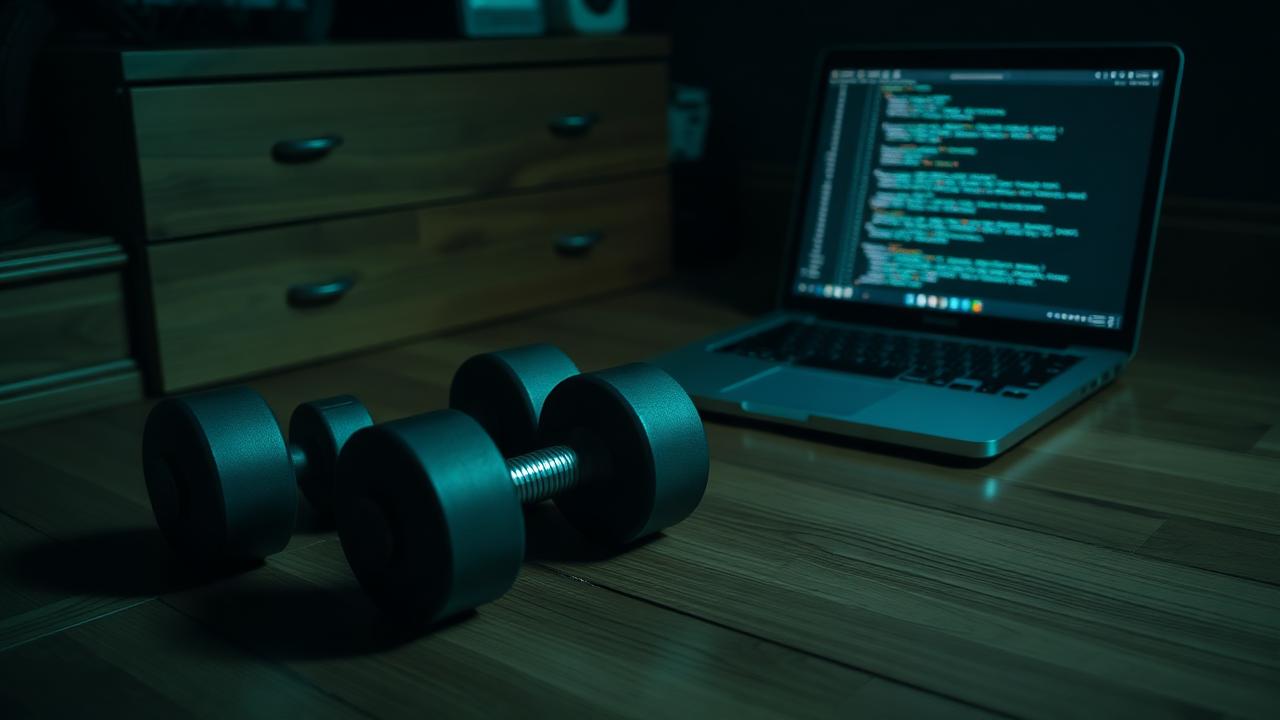
15-Minute Workouts You Can Do Between Pull Requests
Three no-nonsense strength templates — push, pull, legs — built to fit in the gap between opening a PR and getting your first review.

The 20-20-20 Rule, and What Actually Helps Eye Strain
The famous rule is a decent baseline. Here's what actually fixes eye strain once you've outgrown it.
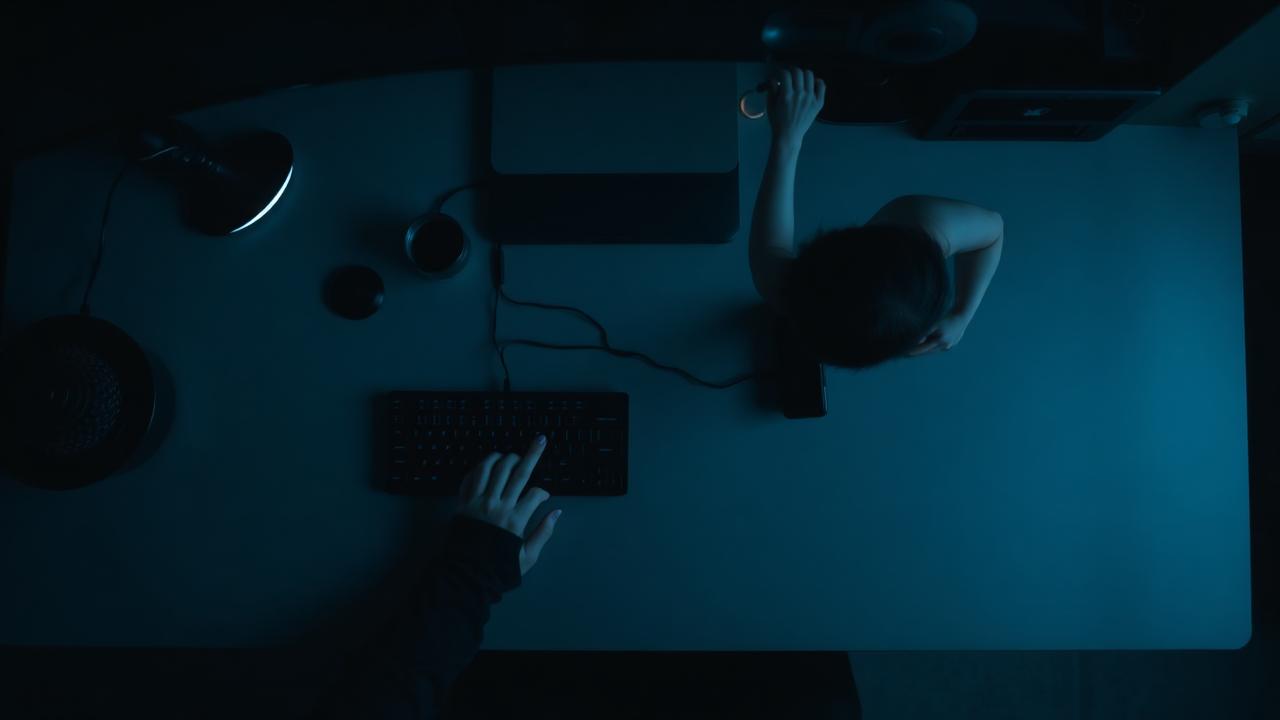
The 5-Minute Desk Reset: What To Do Between Meetings
A no-equipment, 5-minute routine that undoes the damage of back-to-back meetings — do it between a stand-up and a design review, no gym clothes required.

Burnout, Sitting, and the Feedback Loop No One Talks About
Sitting all day doesn't just make you achy — it feeds the exact physiological state that makes burnout worse. Here's the loop, and how to break it.
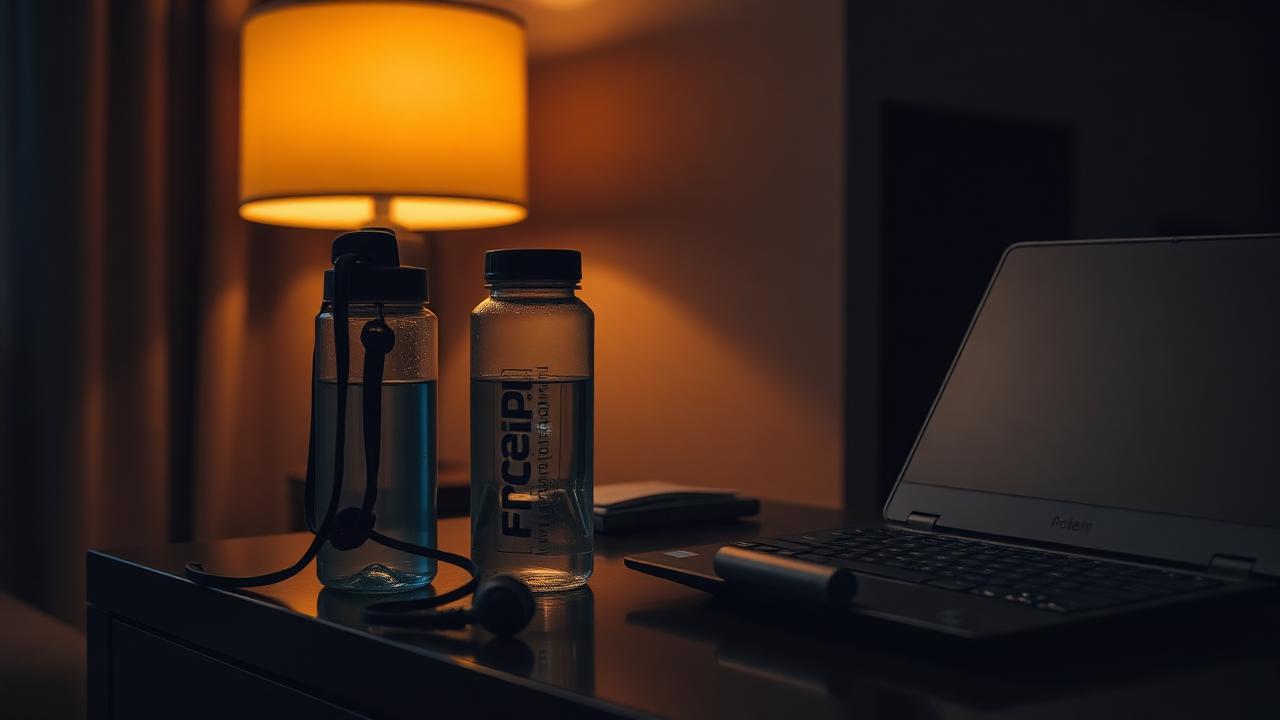
Staying Active at Conferences and Hackathons
Convention hall floors, four hours of sleep, and a coffee-and-pretzel diet. Here's how to not fall apart by day three.
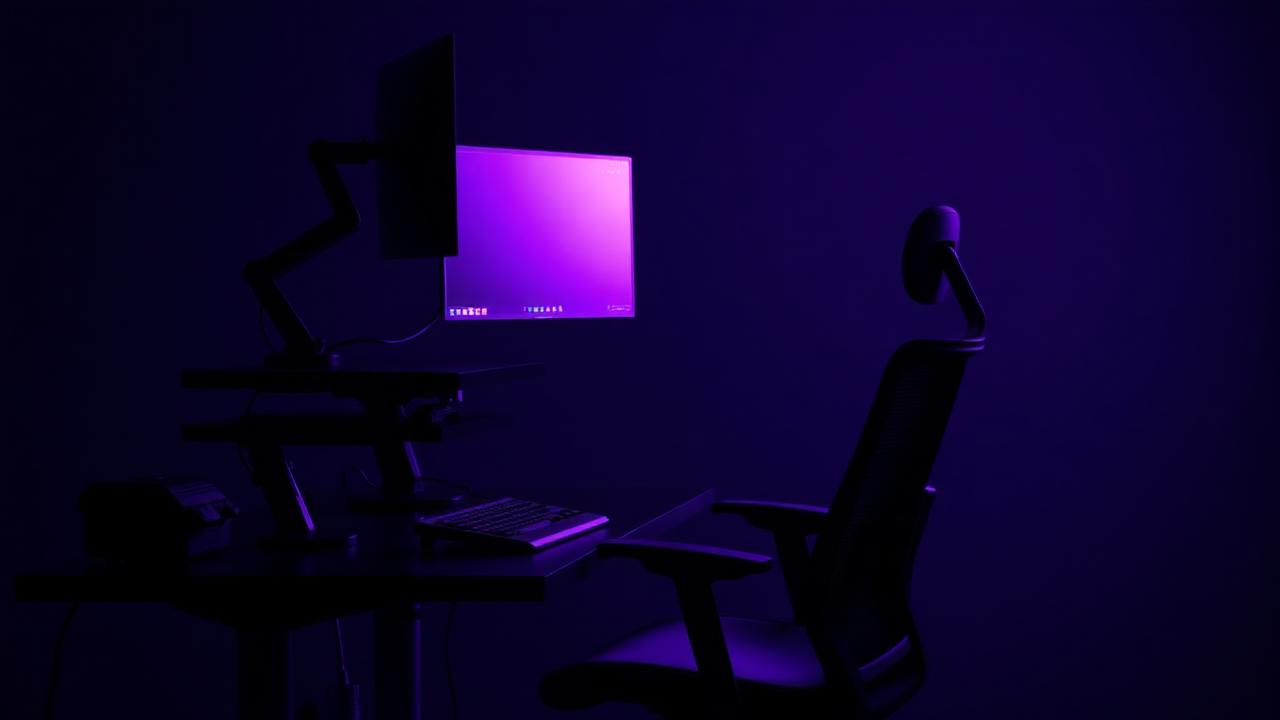
Ergonomic Desk Setup Checklist for People Who Never Stand Up
If you're going to sit for ten hours, sit correctly. A no-nonsense checklist that costs less than the physical therapy for ignoring it.

Why Movement Makes You a Better Debugger (The Actual Science)
There's a real reason the fix comes to you on a walk. It's not magic — it's a specific brain-mode switch with a growing evidence base.

The Remote Worker's No-Gym Strength Routine
One pull-up bar, one pair of adjustable dumbbells, three days a week — that's the whole gym you need.

RSI Prevention for Programmers: What the Research Actually Says
The wrist brace you just bought probably isn't the fix. Here's what the evidence actually supports for keyboard-first workers.

Fixing Your Sleep Schedule When You Code Past Midnight
You don't need to become a 6am morning person. You need a consistent sleep window and a real wind-down — here's the protocol.
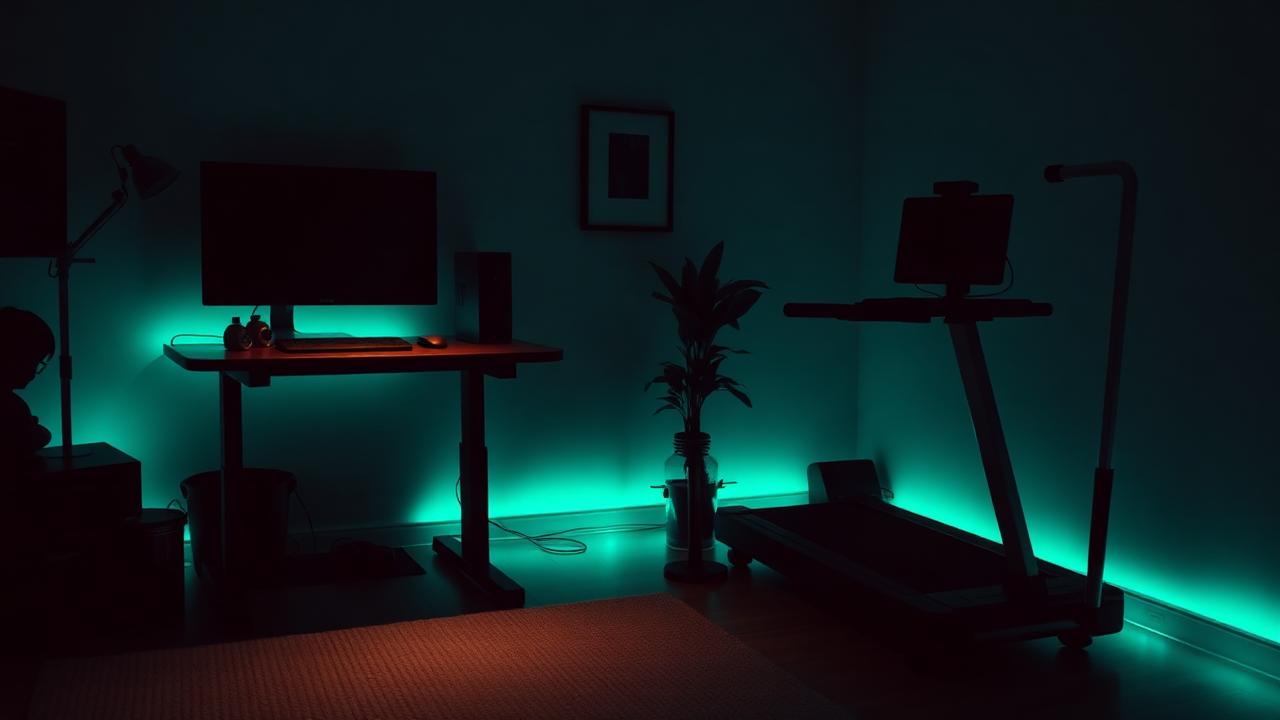
Standing Desk vs. Treadmill Desk: What Actually Works for a Coding Job
Both help. Neither is a silver bullet. Here's which one to use for which part of your day.

How to Run a Walking 1:1 (and Actually Take Notes)
Walking meetings work — but only if you plan them like meetings, not strolls. Here's the format.

The Best Ergonomic Keyboard for Carpal Tunnel: A Programmer's Buying Guide
If your wrists ache by 4pm, your keyboard is usually the fastest thing to fix. Here's what split, tented boards actually do for carpal tunnel pain — and what they can't do.
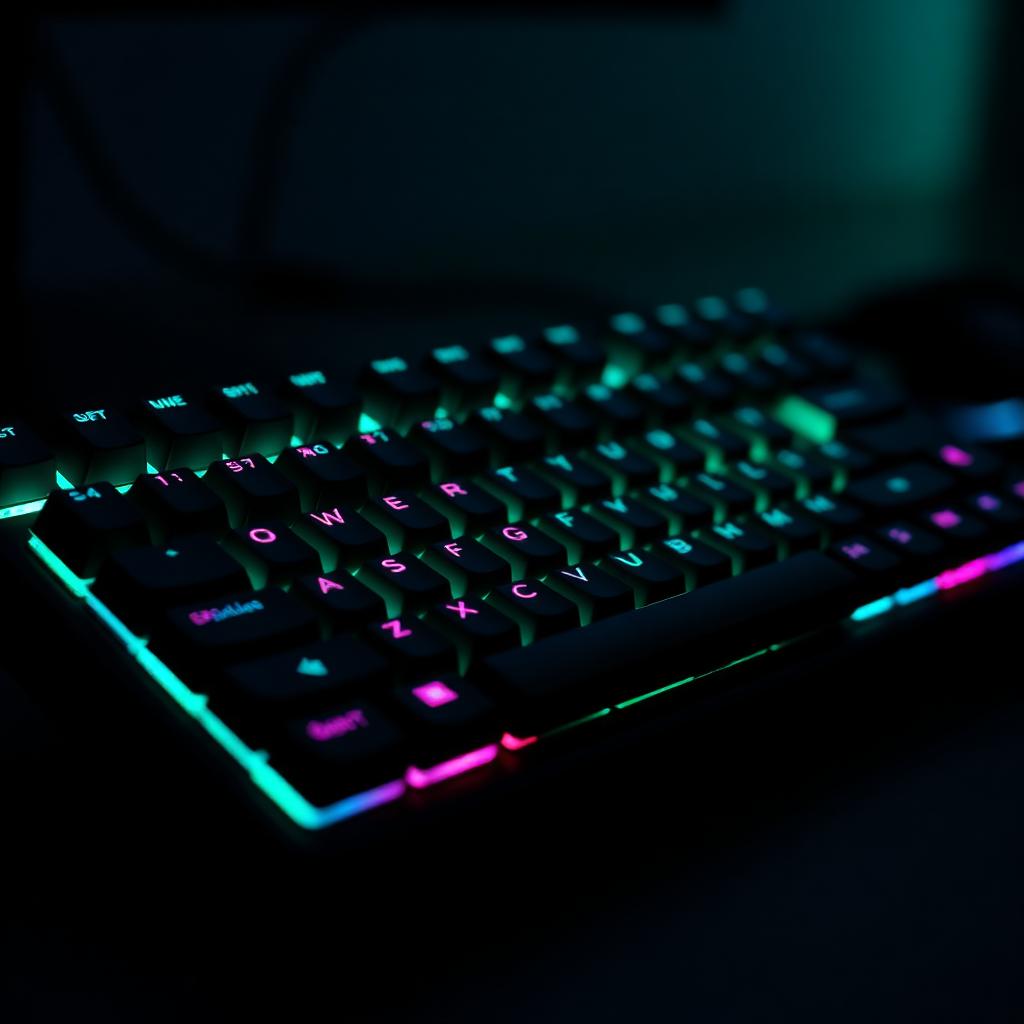
The Best Ergonomic Mechanical Keyboard for Long Coding Sessions
Mechanical feel meets ergonomic geometry. Here's what to look for in a split, tented, hot-swappable board that can survive a 10-hour day without wrecking your wrists.
Ergonomic Split Mechanical Keyboard Guide for Developers
Split layouts, tenting kits, and light switches — the short version of what actually helps during 8+ hour coding sessions.
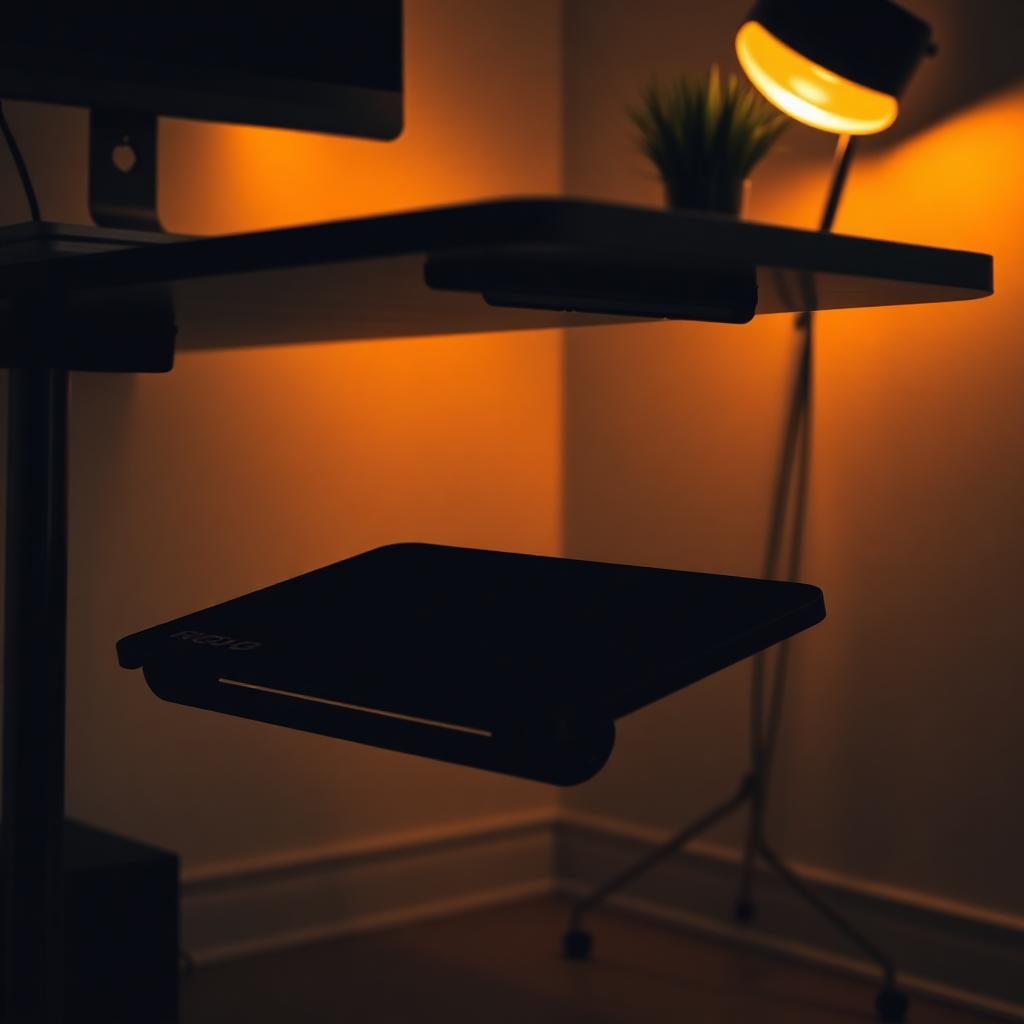
The Best Foldable Walking Pad for a Small Home Office
A foldable walking pad is basically the only cardio equipment that survives in a small apartment — but only if you pick the right one. Here's what actually matters, from noise rating to deck height.
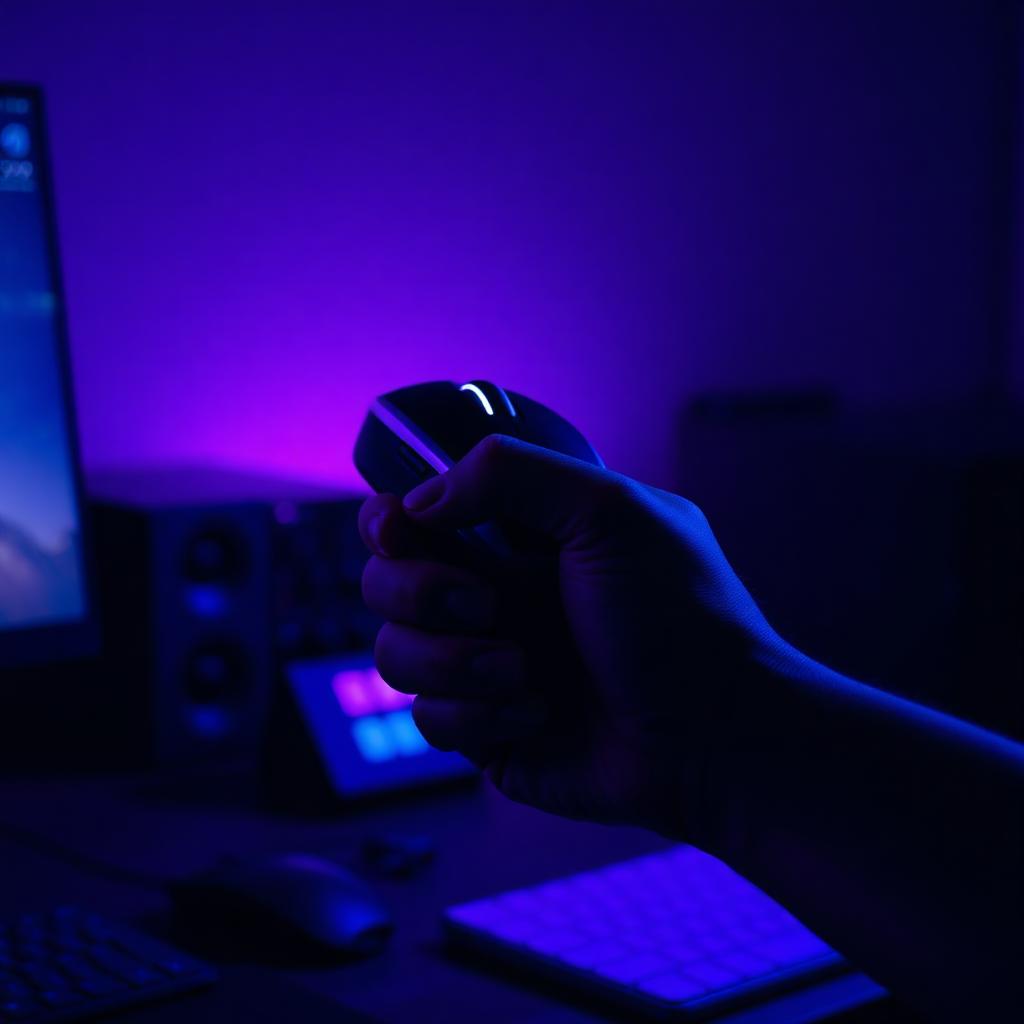
Vertical Mouse for Wrist Pain: What It Fixes, What It Doesn't
A vertical mouse can be the fastest fix for pronation-related wrist and forearm pain — but only for the right kind of pain. Here's how to tell if it's yours.

How to Choose a Wireless Ergonomic Mouse: A Developer's Guide
The wireless ergonomic mouse market is crowded and mostly bad. Here's the short list — vertical, contoured, and trackball — with the specs that actually matter for a coding workday.